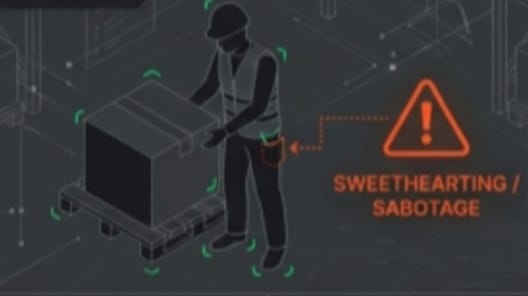
Privacy-first AI detecting insider and operational risk before disruption happens.
Generative pose estimation and contextual workflow learning convert surveillance into proactive operational intelligence.
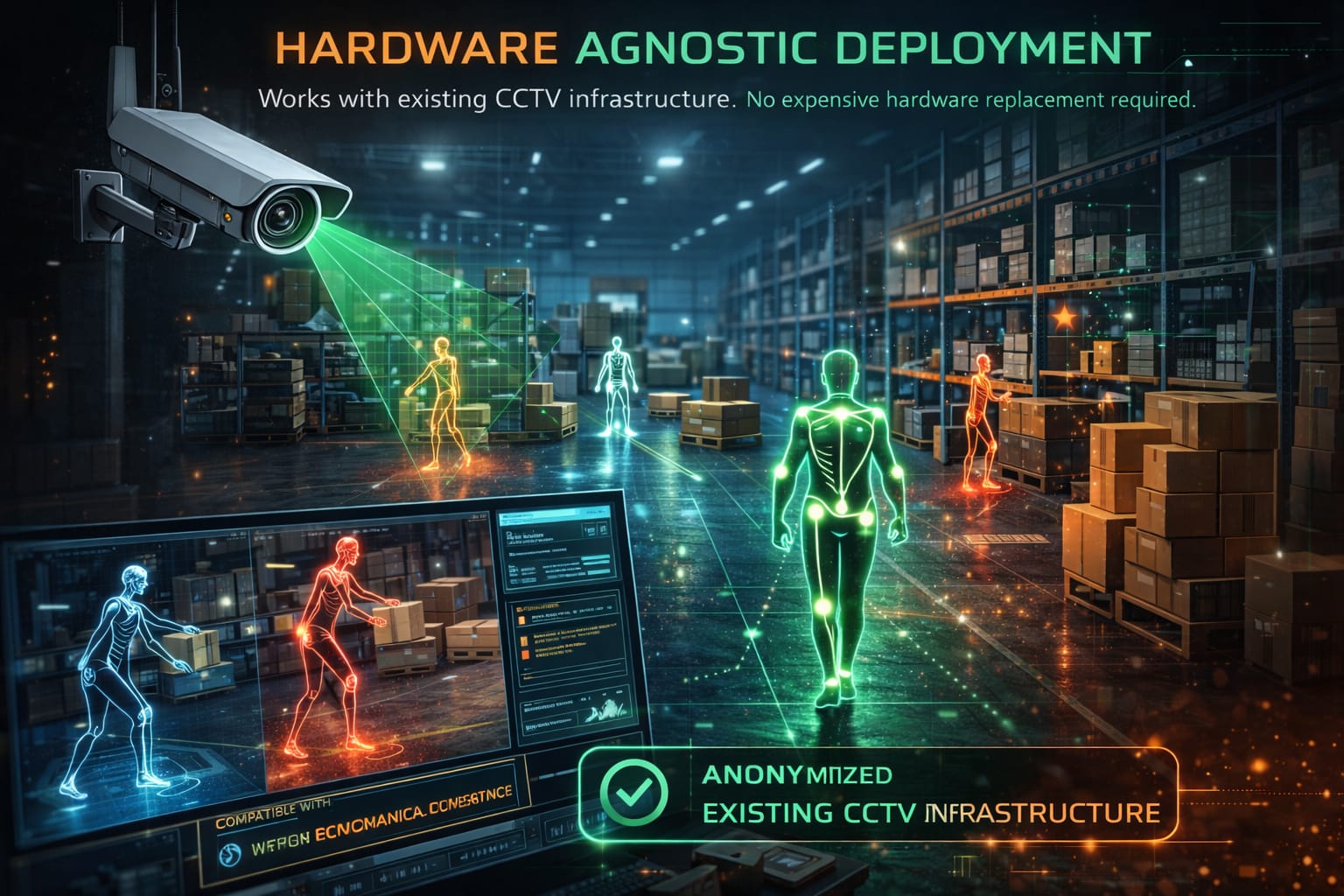
Connects to existing infrastructure. No hardware replacement.

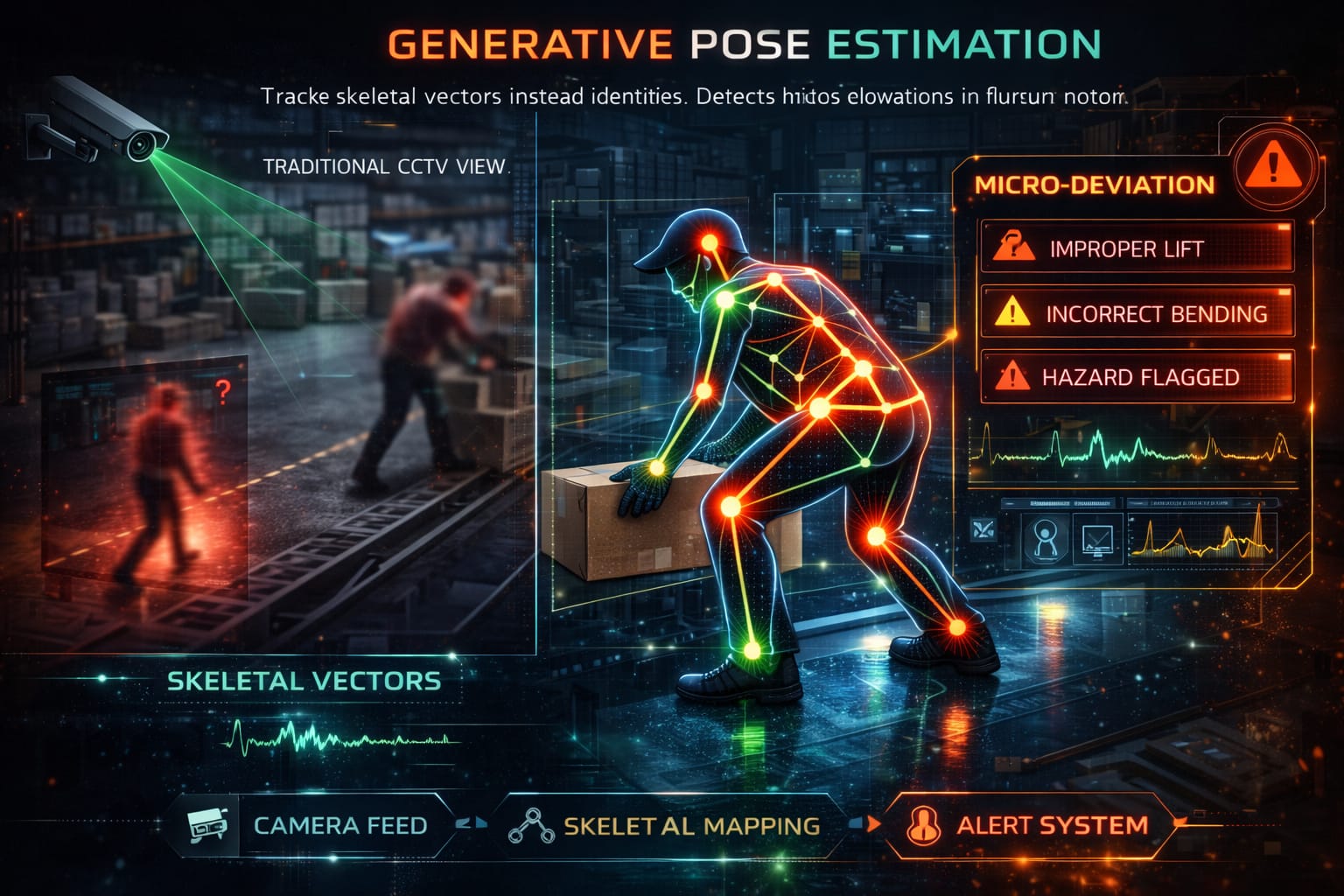
Transforms footage into anonymous biomechanical vectors.

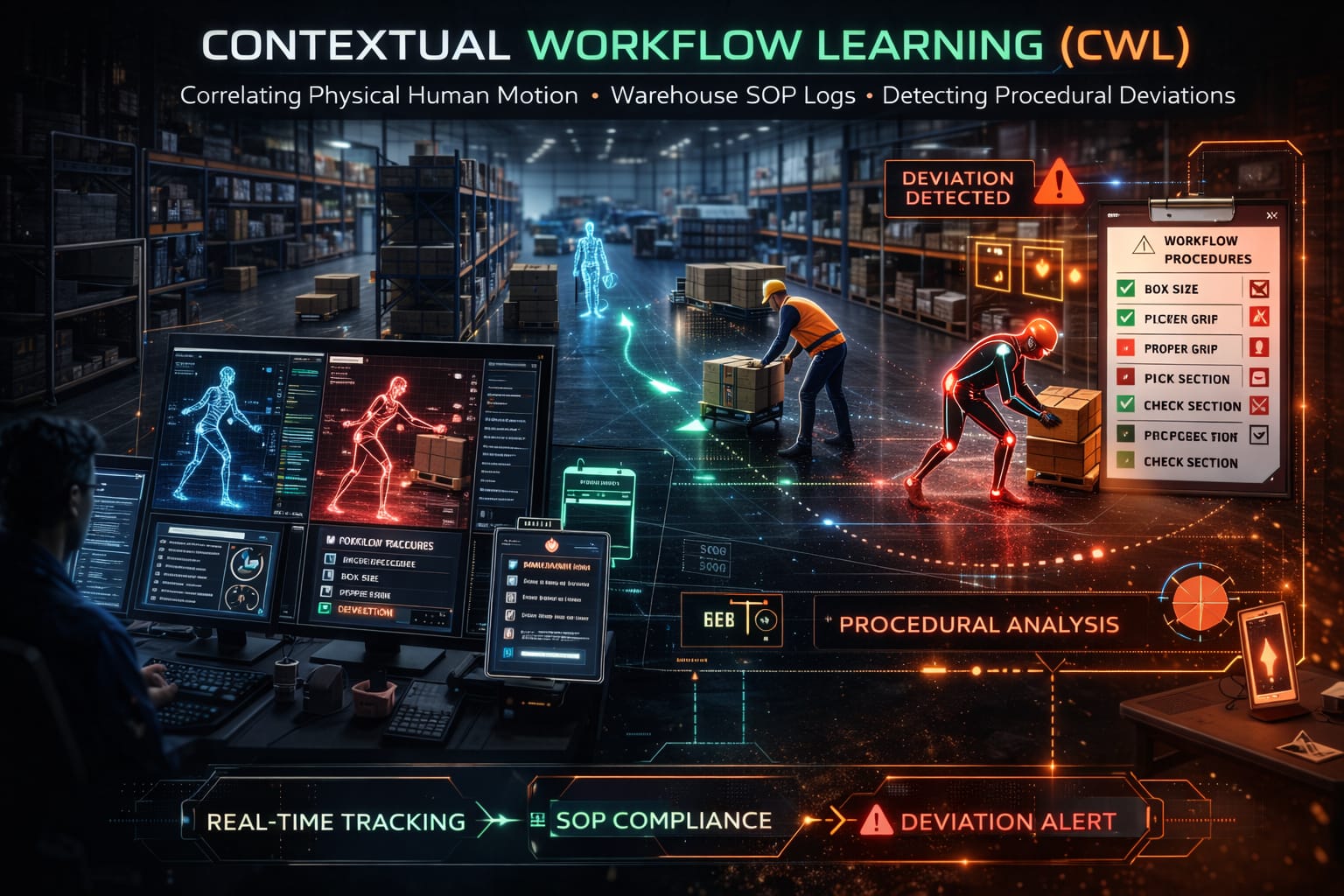
Cross-references motion with SOP & WMS logs.

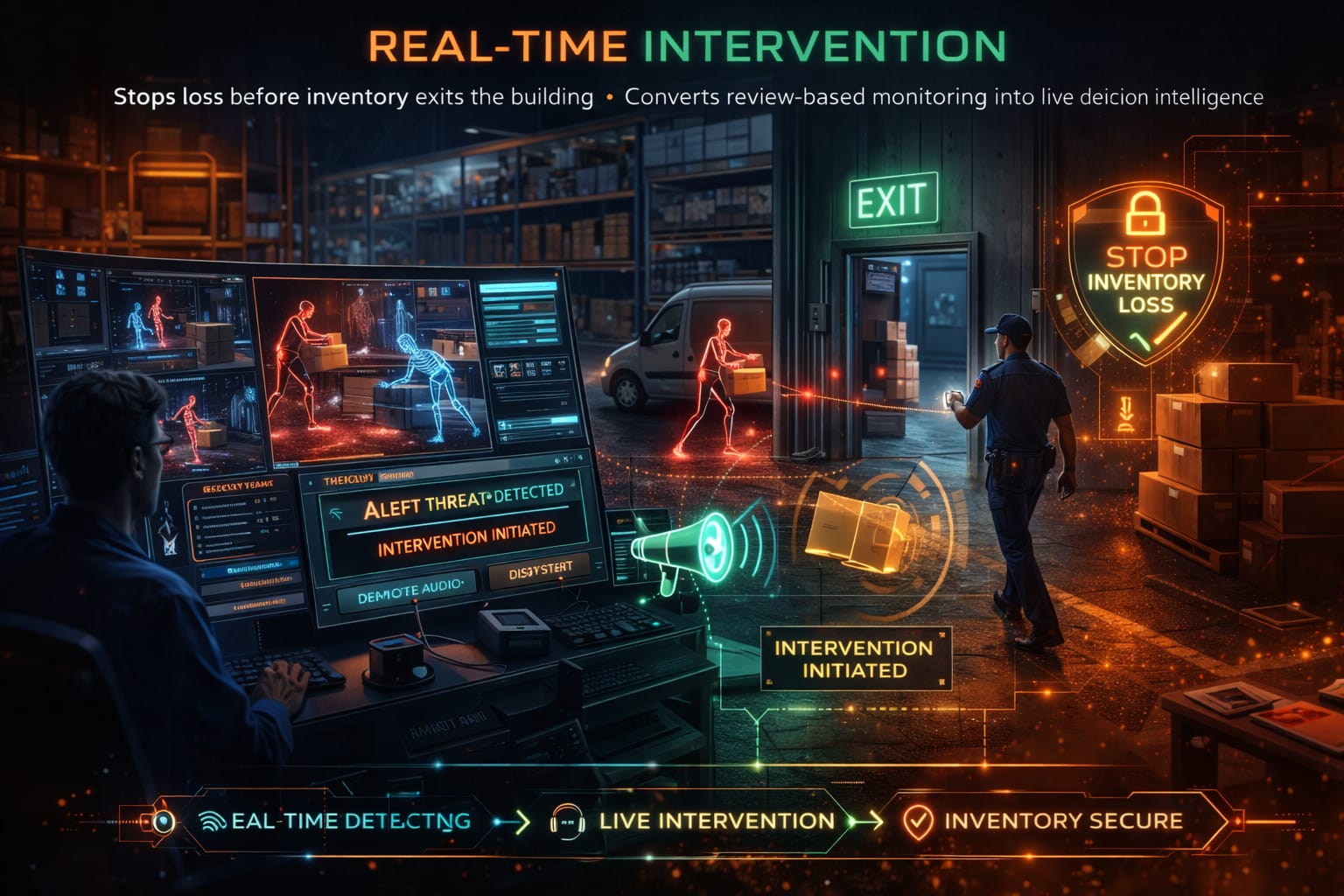
Real-time intervention before loss exits facility.
SentinAI was created to redefine warehouse security by shifting from reactive surveillance to predictive behavioral intelligence.
The company builds privacy-first AI systems that interpret motion context, detect operational anomalies, and prevent insider risk before financial loss occurs.
SentinAI operates at the intersection of AI engineering, compliance architecture, and logistics workflow design — delivering measurable security performance at scale.
Engineering the Trust Layer for Modern Logistics
Tracks skeletal vectors instead of identities. Detects micro-deviations in human motion that traditional CCTV cannot see.
Correlates physical human motion with warehouse SOP logs to detect real-time procedural deviations.
Stops loss before inventory exits the building. Converts review-based monitoring into live decision intelligence.
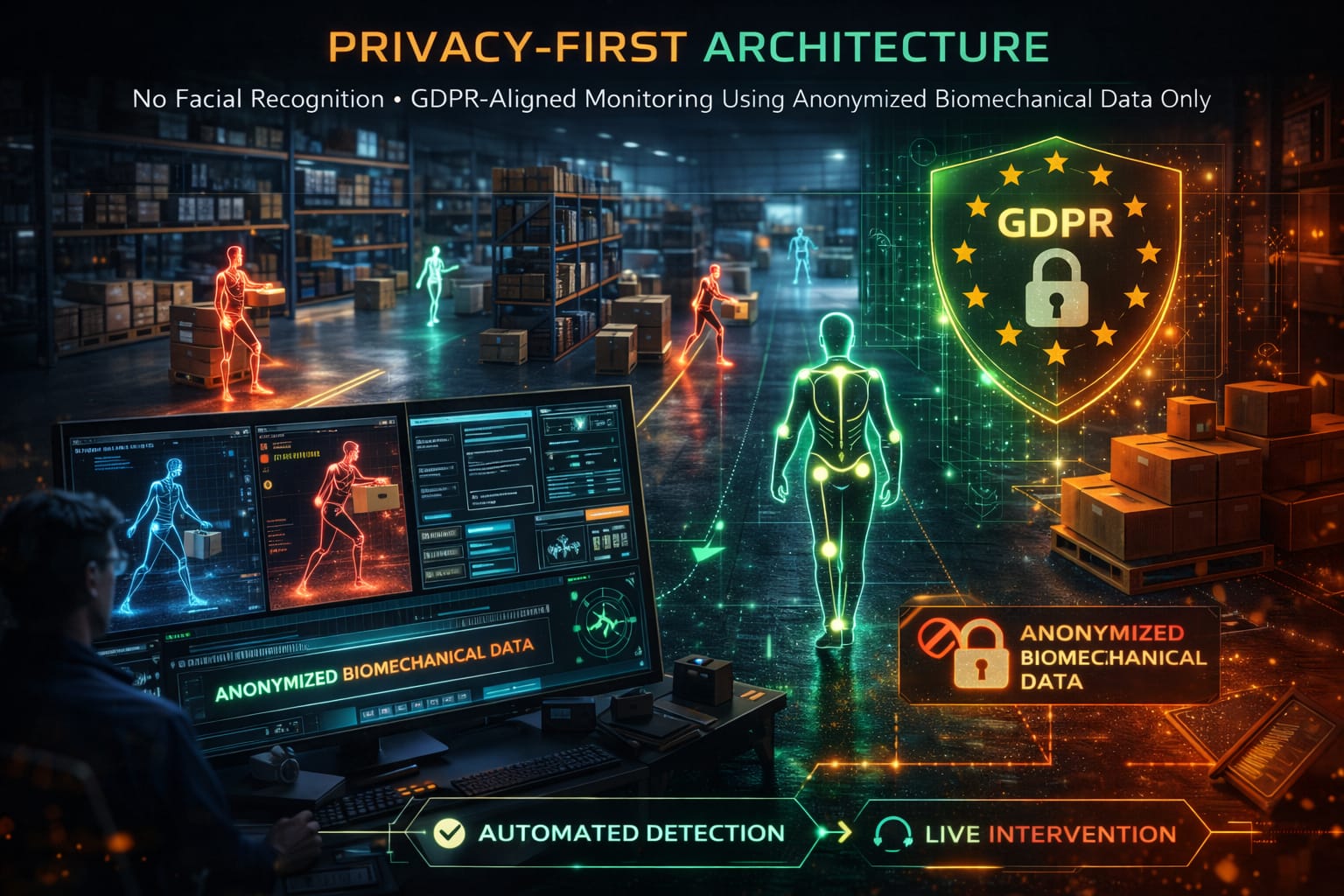
No facial recognition. GDPR-aligned monitoring using anonymized biomechanical data only.
Works with existing CCTV infrastructure. No expensive hardware replacement required.
Designed for UK SMEs to Enterprise. Scales across multi-warehouse operations seamlessly.
Hardware-agnostic behavioral intelligence built for UK logistics. No CapEx required. Deploy using existing CCTV infrastructure.
The UK logistics economy operates on trust yet that trust is eroding. Warehouse environments are increasingly exposed to insider-driven workflow manipulation that bypasses conventional surveillance systems.
Insider threats including internal theft, sweethearting, and SOP circumvention occur within operational blind spots. These incidents are subtle, workflow-native, and structurally invisible to reactive monitoring.
The result is delayed detection, post-event investigation cycles, and capital leakage that compounds over time.